
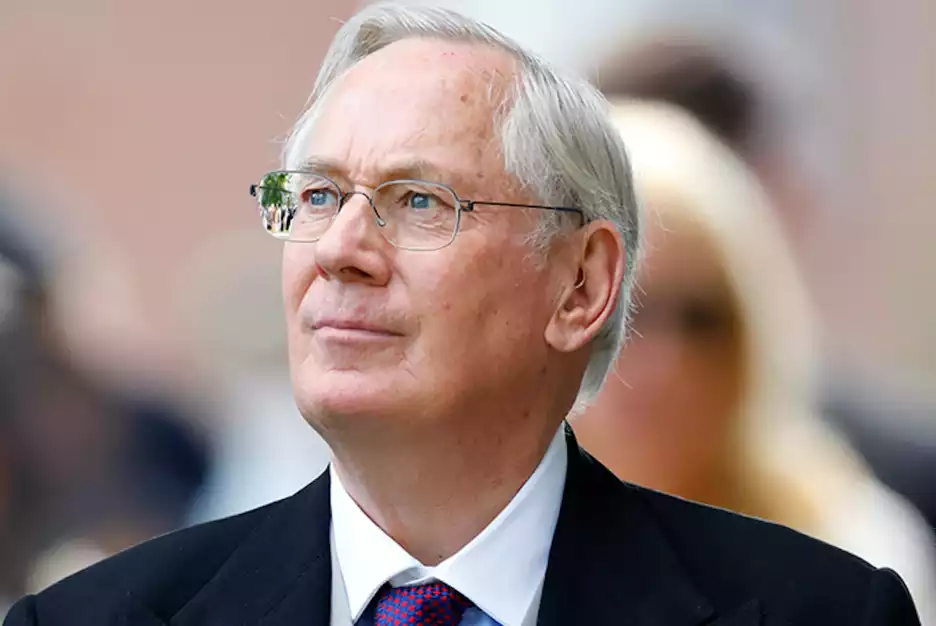
Brief Introduction to Prince Richard, Duke of Gloucester
Prince Richard, Duke of Gloucester, is a senior member of the British royal family. He is a cousin of the late Queen Elizabeth II. He has served the monarchy for many decades. Unlike some royals, he did not expect to become a full-time working royal early in life. Over time, he took on important public duties and responsibilities.
Why People Search for Prince Richard Net Worth
Many people search for Prince Richard net worth because of interest in royal finances. His long service to the Crown raises questions about how royal income works. People are curious about how much he earns from royal duties. There is also interest in how his wealth compares to other members of the royal family. Public curiosity grows whenever royal finances are discussed in the media.
Overview of His Royal Role and Public Life
Prince Richard carries out official duties on behalf of the British monarch. He attends public events, ceremonies, and charity functions. He supports many organizations as a patron. His role is more focused on service than luxury. He keeps a low public profile compared to younger royals. Despite this, his work plays an important role in maintaining royal traditions and public service.
Who Is Prince Richard, Duke of Gloucester?
Full Name and Royal Title
Prince Richard’s full name is Prince Richard Alexander Walter George. He holds the royal title Duke of Gloucester. He became the Duke of Gloucester in 1974 after the death of his elder brother. His title places him among the senior working members of the British royal family.
Relationship to the British Royal Family
Prince Richard is closely related to the British royal family. He is the son of Prince Henry, Duke of Gloucester, who was a son of King George V. This makes Prince Richard a first cousin of Queen Elizabeth II. He is also related to King Charles III through extended family ties. His position connects him directly to the core of the royal lineage.
Background and Position in the Line of Succession
Prince Richard was not originally expected to take on a major royal role. He trained as an architect and planned a professional career outside royal duties. After his brother’s passing, he inherited the dukedom and stepped into full-time royal service. He holds a place in the line of succession to the British throne, though he is far from the throne itself. His role is mainly ceremonial and service-based rather than political or ruling.
Early Life and Education
Birth Details and Childhood
Prince Richard was born on August 26, 1944, in England. He grew up in a royal household during a time of major world events. His childhood was shaped by royal traditions and public responsibility. Despite his royal status, his upbringing focused on discipline and education. He was raised to value service and professionalism.
Education and Academic Background
Prince Richard received a strong academic education. He attended Eton College, one of the most well-known schools in the United Kingdom. After that, he studied architecture at Cambridge University. He later completed further architectural training in the United States. His education prepared him for a professional career outside royal life.
Career Before Full-Time Royal Duties
Before becoming a full-time working royal, Prince Richard worked as a professional architect. He was passionate about design and planning. His career was progressing steadily in the private sector. This path changed after the death of his older brother in 1974. At that point, he inherited the title Duke of Gloucester and shifted fully into royal duties. This transition marked a major turning point in his life and career.
Prince Richard, Duke of Gloucester Net Worth Overview
Estimated Net Worth Figure
Prince Richard, Duke of Gloucester, is estimated to have a net worth between $5 million and $10 million. This figure is based on public reports and royal financial disclosures. His wealth is considered modest compared to some other senior royals. He has lived a relatively private and service-focused life. His net worth reflects long-term royal service rather than commercial ventures.
Sources of Wealth
The main source of Prince Richard’s income comes from his royal duties. He receives funding through the Sovereign Grant, which supports working royals who carry out official engagements. This money covers expenses related to travel, staff, and public duties. He may also have personal savings and investments from earlier in life. His previous career as an architect contributed to his early financial stability.
Difference Between Personal Wealth and Royal Assets
It is important to separate personal wealth from royal assets. Prince Richard does not personally own major royal properties or Crown lands. Residences provided to him are owned by the Crown, not by him as private property. Royal jewelry, estates, and historical assets are not part of his net worth. His personal wealth mainly includes savings, possible investments, and limited private assets.
How Does Prince Richard Make His Money?
Royal Income and Allowances
Prince Richard earns most of his income through his role as a working royal. He carries out official duties on behalf of the British monarch. These duties include public appearances, ceremonies, and charity events. His income is linked to the responsibilities he performs for the royal family. He does not receive a traditional salary like a private employee.
Sovereign Grant Explanation
The Sovereign Grant is the main funding source for Prince Richard’s royal work. This grant is paid by the UK government and funded through profits from the Crown Estate. The money is used to support official royal activities. It covers costs such as travel, office staff, and event expenses. The grant is not personal income but funding for official duties. Any unused funds are returned or managed according to royal rules.
Role-Based Funding
Prince Richard’s funding depends on his level of royal service. As a senior working royal, he receives support to carry out assigned duties. His role focuses on long-term service rather than commercial activities. He does not earn income from media deals or endorsements. His financial support is based on duty and responsibility, not popularity.
Private Earnings
Before becoming a full-time royal, Prince Richard had a professional career. He worked as an architect and earned income independently. This early career helped him build personal savings. His private earnings were modest but stable. These funds contributed to his personal wealth over time.
Investments and Personal Assets
Prince Richard may also have personal investments and savings. These could include traditional investments such as stocks or pensions. Details about these assets are kept private. He does not publicly display wealth or luxury spending. His personal finances appear conservative and carefully managed. Overall, his income reflects a life of public service rather than personal profit.
Royal Duties and Public Work
Official Engagements
Prince Richard carries out many official engagements each year. He attends ceremonies, memorial services, and public events. He represents the British monarch at national and international functions. These appearances help maintain royal traditions and public connections. His schedule is steady but not as publicized as younger royals. Each engagement reflects his long-term commitment to royal service.
Charitable Work and Patronages
Prince Richard supports a wide range of charities and organizations. He serves as a patron for groups focused on architecture, heritage, health, and education. His background as an architect makes him especially active in preservation and design-related causes. He regularly attends charity meetings and fundraising events. His involvement brings attention and credibility to the organizations he supports.
Impact of Duties on Income
Prince Richard’s royal duties directly influence his financial support. The funding he receives is tied to the work he performs. He does not earn bonuses or performance-based income. His role provides financial stability rather than wealth growth. Increased duties may lead to higher support costs, but not personal profit. Overall, his income reflects responsibility and service rather than financial gain.
Assets and Lifestyle
Property and Residences
Prince Richard does not own large royal estates as private property. Most residences used by senior royals belong to the Crown. These homes are provided for official and personal use during royal service. Property arrangements are based on duty, not ownership. This helps separate personal wealth from royal assets.
Royal Residences
Prince Richard lives in a grace-and-favor residence provided by the Crown. One well-known residence linked to him is Barnwell Manor in Northamptonshire. The property is historic and maintained as part of royal heritage. He does not have the right to sell or profit from it. The residence supports his role and official responsibilities.
Living Arrangements
His living arrangements are modest by royal standards. The home is used for both personal life and official duties. Staff support is limited and focused on necessary operations. The setting reflects tradition rather than luxury. Comfort and function are prioritized over extravagance.
Lifestyle and Spending Habits
Prince Richard maintains a low-key public lifestyle. He avoids lavish spending and public displays of wealth. His appearances are formal and professional. Clothing and travel are practical and appropriate for royal duties. His lifestyle aligns with long-standing royal values of restraint.
Approach to Wealth and Privacy
Prince Richard values privacy and financial discretion. Details about his personal finances are rarely shared publicly. He separates his private life from his public role. Wealth is treated as a tool for stability, not status. This approach has shaped his respectful and understated public image.
Comparison With Other British Royals
Comparison with Prince Edward
Prince Edward, Duke of Edinburgh, is another senior working royal. His estimated net worth is generally higher than Prince Richard’s. This is partly due to Prince Edward’s longer period of active service in recent years. He also receives support through the Sovereign Grant. However, like Prince Richard, he does not own major royal estates. Both royals focus on duty rather than personal wealth.
Comparison with Princess Anne
Princess Anne is known for her strong work ethic and long history of royal service. Her net worth is higher than Prince Richard’s. This is because she has held royal duties for many decades. She also has personal inheritance and private assets. Princess Anne is considered one of the most financially independent senior royals. In contrast, Prince Richard’s wealth remains more modest and service-based.
How His Wealth Compares Within the Royal Family
Within the wider royal family, Prince Richard’s wealth is considered moderate. He is not among the wealthiest royals. His financial standing reflects his background as a professional and a duty-focused royal. Unlike monarchs or direct heirs, he does not control royal estates or large personal inheritances. His position shows that not all royals live extremely wealthy lifestyles. His role is built on service, tradition, and responsibility rather than financial power.
Public Perception and Media Coverage
Media Attention on Finances
Prince Richard, Duke of Gloucester, receives limited media attention compared to younger or more high-profile royals. When covered, the focus is often on his role within the royal family rather than personal wealth. Occasionally, articles discuss his net worth in relation to other royals. However, he tends to avoid controversies and stays out of tabloid stories. This keeps media coverage respectful and low-key.
Public Interest in Royal Wealth
The public is naturally curious about the wealth of senior royals, including Prince Richard. People often wonder how much he earns from official duties and private sources. Interest spikes when the media reports on royal estates, grants, or lifestyle choices. Despite this curiosity, Prince Richard’s understated lifestyle and focus on duty mean that public attention is moderate.
Transparency Around Royal Income
Prince Richard’s income is partially transparent due to the Sovereign Grant reporting system. The grant shows funding allocated to working royals for official duties, but personal savings and investments remain private. This transparency allows the public to understand his role-based funding without revealing personal wealth. Overall, his financial situation is seen as responsible and aligned with royal traditions, balancing public accountability with privacy.
Interesting Facts About Prince Richard’s Finances
Lesser-Known Financial Facts
Prince Richard’s finances are often less discussed than those of higher-profile royals. Few people know that he had a professional career as an architect before taking on full-time royal duties. This career provided him with personal savings and a financial foundation independent of royal funding. He also inherited some family wealth, but most of his lifestyle is supported through his role as a working royal rather than large inheritances or estates.
Unique Aspects of Royal Income
Prince Richard’s income is unique because it comes largely from the Sovereign Grant rather than traditional employment. The grant funds official duties, travel, and staff, but it is not personal profit. He does not earn from commercial endorsements or media deals, unlike some other royals. His financial support is tied directly to service and responsibility. This system ensures that his lifestyle reflects duty and tradition, rather than personal luxury.
Long-Term Financial Stability
Despite a modest net worth compared to wealthier royals, Prince Richard enjoys long-term financial stability. The combination of official funding, personal savings, and prudent investments ensures that he can maintain his responsibilities comfortably. His financial approach is conservative and focused on sustaining a stable lifestyle over flashy spending. This stability reflects his practical mindset and commitment to serving the Crown.
Conclusion
Summary of Prince Richard’s Financial Standing
Prince Richard, Duke of Gloucester, has built a modest but stable financial position within the British royal family. His estimated net worth ranges between $5 million and $10 million. Most of his wealth comes from a combination of royal funding, personal savings, and previous professional earnings. Unlike wealthier royals, he does not own major estates or large private assets. His finances reflect a life of service rather than personal luxury.
Role of Royal Service in His Wealth
Royal service has played a central role in Prince Richard’s financial stability. His income is largely tied to the Sovereign Grant, which funds official duties, travel, and staff support. By dedicating himself to public service and charity work, he receives structured financial support. This ensures that he can perform his duties comfortably while maintaining a traditional and disciplined lifestyle.
Final Net Worth Takeaway
Prince Richard’s net worth is a reflection of duty, tradition, and careful financial management. While he is not among the wealthiest members of the royal family, his income is sufficient for a comfortable, stable lifestyle. His wealth demonstrates that senior royals can maintain financial security through service, prudent savings, and measured living. Overall, Prince Richard’s financial story emphasizes responsibility and long-term stability rather than extravagance or showy wealth.
Frequently Asked Questions (FAQs)
What is Prince Richard, Duke of Gloucester’s Net Worth?
Prince Richard’s estimated net worth is between $5 million and $10 million. His wealth comes from a combination of personal savings, professional earnings, and royal support. Unlike some royals, he does not rely on large inheritances or private estates. His finances reflect a stable, service-focused lifestyle rather than extreme luxury.
Does Prince Richard Receive Money from the Crown?
Yes, Prince Richard receives financial support through the Sovereign Grant. This funding covers expenses related to his royal duties, including travel, staff salaries, and event appearances. The Sovereign Grant is not personal income but is allocated to ensure he can perform official engagements properly.
Does He Own Personal Property?
Prince Richard has limited personal property. Most residences used by him, such as Barnwell Manor, are provided by the Crown and are not privately owned. He may have modest private savings or investments, but the major properties linked to him belong to the monarchy. His personal wealth is therefore relatively modest compared to some other senior royals.
Is Prince Richard Wealthy Compared to Other Royals?
Compared to other members of the royal family, Prince Richard’s wealth is considered moderate. Royals such as Prince Charles, Prince William, or Princess Anne have higher net worths due to inheritance, investments, and larger estates. Prince Richard’s finances are tied more to service and duty than personal fortune. His lifestyle reflects responsibility and tradition rather than extravagant wealth.
You can read also: Sophie Helen Rhys-Jones Age, Height, Family, Net Worth | Duchess of Edinburgh
Leave a Reply