
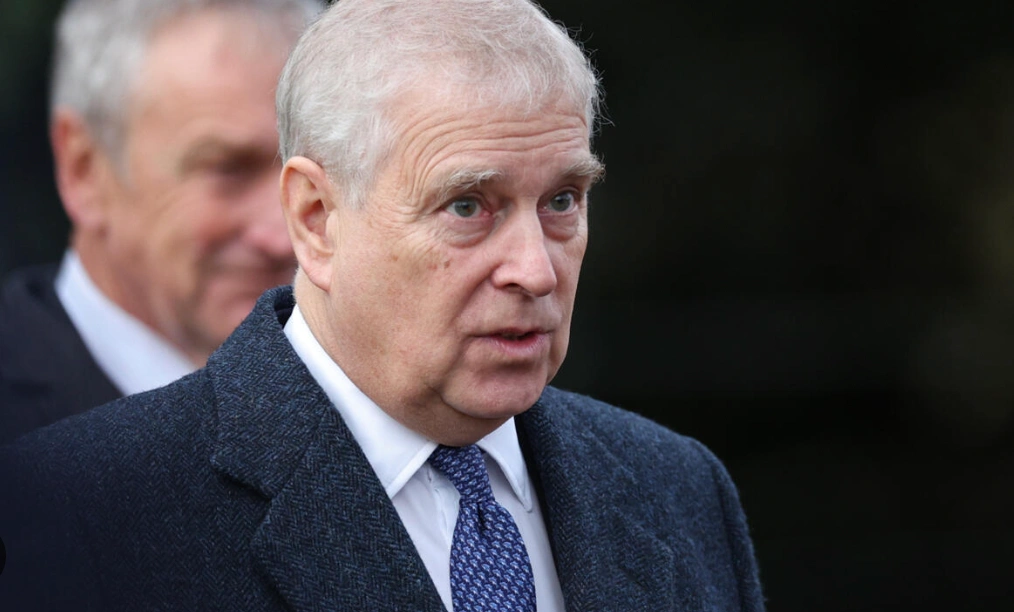
Prince Andrew, Duke of York, is a member of the British royal family and the third child of Queen Elizabeth II and Prince Philip. He was born on February 19, 1960, at Buckingham Palace in London. For many years, he was an active royal figure and represented the United Kingdom at home and abroad.
Prince Andrew is well known because of his royal background and his long service in the Royal Navy. He also carried out official duties on behalf of the Queen and worked as a trade representative for the UK, helping to promote British business interests overseas.
As a senior member of the royal family for much of his life, Prince Andrew supported the monarchy through public events, charitable work, and military service. Although he no longer performs official royal duties, he remains a well-known figure in British history and public life.
Who Is Prince Andrew, Duke of York?
Prince Andrew’s full name is Prince Andrew Albert Christian Edward. He is commonly known as Prince Andrew, Duke of York, a traditional royal title given to him by his mother, Queen Elizabeth II, in 1986. The title “Duke of York” is usually given to the second son of a British monarch and has a long history in the royal family.
Prince Andrew was born on February 19, 1960, at Buckingham Palace in London, England. His birth was important because he was the first child born to a reigning British monarch in over 100 years. At the time of his birth, his mother was already Queen, which made his arrival a major royal event.
He is the third child and second son of Queen Elizabeth II and Prince Philip, Duke of Edinburgh. His siblings are King Charles III, Princess Anne, and Prince Edward. When Prince Andrew was born, he was second in line to the British throne, right after his older brother Charles. Over the years, as King Charles III had children and grandchildren, Prince Andrew’s position in the line of succession moved lower.
For much of his life, Prince Andrew was considered a senior working member of the British royal family. He carried out official duties, attended public events, and represented the Queen both in the UK and abroad. Although he no longer performs official royal duties, he remains a well-known royal figure because of his family background, past service, and historical position within the monarchy.
Prince Andrew Age
Prince Andrew was born on February 19, 1960. As of 2026, he is 65 years old. His age reflects a life spent largely in the public eye, from his early years as a young royal to his later life as a former working member of the British royal family.
Zodiac Sign
Prince Andrew’s zodiac sign is Pisces. People born under this sign are often described as sensitive, private, and emotional. While zodiac signs are part of popular culture rather than science, they are often included in lifestyle and celebrity profiles because many readers find them interesting.
Notable Milestones by Age
-
1960 (Birth): Prince Andrew was born at Buckingham Palace. He was the first child born to a reigning monarch in more than a century, which made his birth historically important.
-
1979–1981 (Late Teens to Early 20s): He joined the Royal Navy and began his military training, marking the start of his professional career.
-
1982 (Age 22): Prince Andrew served as a helicopter pilot during the Falklands War, one of the most significant moments of his naval career.
-
1986 (Age 26): He was given the title Duke of York by Queen Elizabeth II when he married Sarah Ferguson.
-
Late 1990s to 2000s (30s–40s): During these years, he carried out many official royal duties and later served as the UK’s Special Representative for International Trade and Investment.
-
2011 (Age 51): He stepped down from his role as a trade envoy and reduced his public responsibilities.
-
2020s (60s): Prince Andrew withdrew from official royal duties and lives a largely private life, while still remaining part of the royal family by birth.
Over the years, Prince Andrew’s age and life stages show how his role has changed—from a young royal and naval officer to a senior royal figure, and later to a more private individual within the British monarchy.
Prince Andrew Family Background
Born into one of the most famous families in the world, Prince Andrew belongs to the British royal family. His family background has significantly influenced his public life, upbringing, and responsibilities.
Parents
Queen Elizabeth II
Prince Andrew’s mother was Queen Elizabeth II, the longest-reigning monarch in British history. She became Queen in 1952 and ruled the United Kingdom for 70 years until her death in 2022. As her third child, Prince Andrew grew up during her reign and carried out many duties on her behalf for several decades. Queen Elizabeth II was known for her strong sense of duty, and she expected the same commitment from her children.
Prince Philip, Duke of Edinburgh
Prince Andrew’s father, Prince Philip, Duke of Edinburgh, was the husband of Queen Elizabeth II. Born in Greece, Prince Philip later became a British citizen. He served in the Royal Navy and was known for his discipline, strong opinions, and support of the Queen throughout her reign. Prince Andrew had a close relationship with his father, especially through their shared interest in military service.
Siblings
Prince Andrew has three siblings, and he is the third child in the family.
King Charles III
King Charles III is Prince Andrew’s older brother and the current King of the United Kingdom. He became king after the death of Queen Elizabeth II in 2022. As the eldest child, King Charles was always first in line to the throne, while Prince Andrew supported him as a senior royal during earlier years.
Princess Anne
Princess Anne, also known as the Princess Royal, is Prince Andrew’s older sister. She is known for her hard work and dedication to royal duties. Princess Anne has carried out more official engagements than any other royal for many years and is respected for her straightforward personality.
Prince Edward
Prince Edward, the youngest sibling, is Prince Andrew’s younger brother. He holds the title Duke of Edinburgh, a title previously held by their father. Prince Edward is an active working royal and supports the monarchy through charitable and public service roles.
Marriage and Children
Sarah, Duchess of York
Prince Andrew married Sarah Ferguson, often called Fergie, in 1986. After their marriage, Sarah became Duchess of York. The couple were very popular in the early years of their marriage, especially in the media. However, they separated in 1992 and later divorced in 1996. Despite their divorce, Prince Andrew and Sarah Ferguson have remained on friendly terms and continue to support each other, especially as parents.
Princess Beatrice
Prince Andrew’s elder daughter is Princess Beatrice, born in 1988. She is ninth in line to the British throne (as of recent updates). Princess Beatrice is married and has children of her own. She lives a mostly private life while still attending some royal events.
Princess Eugenie
Prince Andrew’s younger daughter, Princess Eugenie, was born in 1990. She works professionally outside her full-time royal duties and has a husband and children. People recognize Princess Eugenie for her interest in art, charity work, and raising awareness about health issues.
Prince Andrew’s family background places him at the center of the British monarchy. As the son of a queen, the brother of a king, and the father of two princesses, he has always lived a life closely connected to royal tradition, responsibility, and public attention.
Prince Andrew Education
Prince Andrew’s education was shaped by his position in the British royal family and his future role in public service and the military. From an early age, he received a structured education that combined academic learning with discipline, leadership, and military training.
Early Education
Prince Andrew began his education at a young age, just like his siblings. As a royal child, his early learning focused on basic subjects such as reading, writing, mathematics, and history. He was also taught good manners, responsibility, and public behavior, which are important parts of royal upbringing. In addition to regular lessons, he learned about British traditions, the monarchy, and public service.
Schools Attended
Prince Andrew attended several well-known schools in the United Kingdom.
-
Heatherdown School:
He first went to Heatherdown School, a private preparatory school in England. This school was also attended by other members of the royal family. Here, he studied standard academic subjects and took part in sports and outdoor activities. -
Gordonstoun School:
After Heatherdown, Prince Andrew studied at Gordonstoun School in Scotland. Gordonstoun is known for its strict discipline, physical challenges, and focus on leadership and independence. His father, Prince Philip, also attended this school, and it had a strong influence on Prince Andrew’s character. The school encouraged teamwork, confidence, and self-reliance.
Naval and Military Training
Instead of going to university, Prince Andrew chose a military career. In 1979, he joined the Royal Navy, following in his father’s footsteps.
-
He trained at the Britannia Royal Naval College in Dartmouth, where naval officers are prepared for service.
-
His training included navigation, leadership skills, physical fitness, and naval operations.
-
He later received flight training and qualified as a helicopter pilot, learning to fly Sea King helicopters.
Prince Andrew’s naval training was intense and demanding, preparing him for real combat situations. This training played a key role during his service in the Falklands War in 1982, where he flew missions as part of the Royal Navy.
Special Qualifications
Through his naval service, Prince Andrew earned several professional qualifications:
-
Qualified helicopter pilot
-
Trained in naval aviation operations
-
Experience in search and rescue missions
-
Advanced leadership and command training
He later rose through the ranks in the Royal Navy and retired with the rank of Commander. His military education and training were an important part of his public identity and set him apart from many other members of the royal family.
Prince Andrew’s education combined traditional schooling with strong military training. This path helped prepare him for years of service in the Royal Navy and his earlier role as a senior member of the British royal family.
Prince Andrew Career
Prince Andrew’s career has two main parts: his service in the Royal Navy and his later work as a senior member of the British royal family. For many years, he was active in public life and represented the United Kingdom in different roles.
Royal Navy Career
Entry into the Royal Navy
Prince Andrew joined the Royal Navy in 1979, shortly after finishing school. He chose a military career instead of attending university, following the example of his father, Prince Philip. He trained at the Britannia Royal Naval College in Dartmouth, where he learned leadership skills, navigation, and naval operations. From the beginning, he showed a strong interest in aviation and later trained as a helicopter pilot.
Falklands War Service
In 1982, Prince Andrew took part in the Falklands War, a conflict between the United Kingdom and Argentina. At the time, he was 22 years old. He served as a Sea King helicopter pilot aboard the aircraft carrier HMS Invincible. His duties included flying combat missions, transporting supplies, and carrying out search and rescue operations. His role in the war brought him public attention and was seen as a serious contribution to the military.
Ranks and Retirement
Over the years, Prince Andrew continued his naval career and gained experience in different roles. He rose through the ranks and eventually achieved the rank of Commander in the Royal Navy. After more than 20 years of service, he retired from active naval duty in 2001. His military career is often considered one of the most important and respected parts of his professional life.
Royal Duties and Public Roles
Trade Envoy Role
After leaving the Royal Navy, Prince Andrew became more involved in royal duties. In 2001, he was appointed the UK’s Special Representative for International Trade and Investment. In this role, he traveled to many countries to promote British businesses and encourage international trade. He worked with government officials and business leaders and was seen as a key figure in economic diplomacy for several years.
Charitable and Official Engagements
Prince Andrew also supported many charities and organizations, especially those related to education, technology, and entrepreneurship. He attended official events, visited schools and businesses, and represented the Queen at national and international occasions. For a long time, he was considered a working royal, meaning he carried out official duties on behalf of the monarchy.
Changes in Royal Responsibilities
Over time, Prince Andrew’s public role changed. In 2011, he stepped down from his trade envoy position. In later years, he gradually reduced his royal duties. Eventually, he withdrew from all official public roles and no longer represents the royal family at events. Since then, he has lived a more private life while remaining a member of the royal family by birth.
Over time, Prince Andrew’s career has reflected a major shift—from an active naval officer and public royal figure to a private individual with limited involvement in official royal duties.
Prince Andrew Net Worth
Discussions about Prince Andrew’s net worth have been widespread, mainly due to his royal background and previous public roles. His finances are connected to royal support, military income, and personal assets, but they have changed over time as his public duties have reduced.
Estimated Net Worth
Prince Andrew’s estimated net worth is often reported to be between several million dollars. There is no exact public figure because royal finances are partly private, and some support comes through family arrangements rather than personal earnings. His wealth is considered lower than that of the monarch but higher than that of many non-working royals.
Sources of Income
Prince Andrew’s income has come from several main sources over his lifetime:
-
Royal financial support
-
Military salary and pension
-
Use of royal residences
-
Personal investments and assets
Unlike celebrities or business leaders, he did not earn money through commercial work, endorsements, or private companies.
Royal Allowances
For many years, Prince Andrew received financial support linked to his role as a working member of the royal family. This support came through funds controlled by the monarch, which helped cover living expenses, security, staff, and official duties. These allowances were not personal salaries but were meant to support his public role.
After he stepped back from official royal duties, this financial support was significantly reduced, and some costs were later covered privately by family arrangements rather than public funding.
Military Pension
Prince Andrew served in the Royal Navy for over 20 years, retiring with the rank of Commander. Because of this long service, he receives a military pension. This pension provides him with a steady income in retirement and is one of his most reliable personal sources of money. Compared to royal funding, the pension is modest but stable.
Property and Assets
Prince Andrew has lived in Royal Lodge, a large residence located in Windsor Great Park. While he does not own the property outright, he holds a long-term lease and is responsible for maintenance costs. The home itself is very valuable due to its size and location.
He may also have personal savings, valuables, and inherited items, but details about these assets are not fully public. Members of the royal family often have access to property rather than direct ownership, which can make their finances harder to clearly define.
Financial Changes Over Time
Prince Andrew’s financial situation has changed significantly over the years. During the height of his royal career, he benefited from strong financial support linked to his public duties. After stepping down from official roles, his income sources became more limited, relying mainly on his military pension and private arrangements.
Overall, Prince Andrew’s net worth reflects his past status as a senior royal and naval officer, while also showing how financial support can change when royal responsibilities are reduced.
Prince Andrew’s finances are closely tied to his royal role and military service, making his net worth different from that of traditional public figures or celebrities.
Titles, Honors, and Military Ranks
Prince Andrew has held several royal titles, military ranks, and honors throughout his life. These titles reflect his birth into the royal family, his service in the military, and his changing role within the monarchy over time.
Duke of York Title
Prince Andrew received the title Duke of York in 1986, the year he married Sarah Ferguson. The title was given to him by his mother, Queen Elizabeth II. “Duke of York” is one of the most traditional and historic titles in the British royal family and is usually given to the second son of the monarch.
Along with the Duke of York title, Prince Andrew also received the titles Earl of Inverness and Baron Killyleagh. These additional titles are part of the same honor and are linked to different parts of the United Kingdom. Even though he no longer carries out royal duties, Prince Andrew still legally holds the title Duke of York.
Military Honors
Prince Andrew spent more than two decades in the Royal Navy, and his military service earned him respect and recognition.
-
He served as a helicopter pilot and took part in active military operations during the Falklands War in 1982.
-
His service in a real conflict is one of the most notable parts of his career.
-
Over time, he received military medals and service honors connected to his naval duties, training, and length of service.
These honors were awarded based on his role and commitment in the armed forces, not simply because of his royal status.
Former and Current Styles
Throughout his life, Prince Andrew’s royal style and titles have changed.
-
Former Style:
For many years, he was officially styled as “His Royal Highness The Duke of York.” This style showed his status as a senior working member of the royal family. -
Current Style:
In recent years, Prince Andrew stopped using the “His Royal Highness” (HRH) style in public life. Although he still holds the Duke of York title, he no longer uses the HRH title for official purposes and does not perform royal duties.
Prince Andrew’s titles and honors reflect both his royal heritage and his years of military service. While his public role has changed, his historical titles and ranks remain an important part of his identity within the British monarchy.
Controversies and Public Life
Prince Andrew’s public life has been closely linked to his role as a member of the British royal family, but it has also been marked by controversies that have affected his reputation and responsibilities. Understanding these events is important for a full picture of his life, while keeping the description neutral and factual.
High-Level Overview
Prince Andrew was once considered a high-profile and active royal, representing the monarchy in many official events, international visits, and charitable work. However, over time, certain controversies affected public perception:
-
Associations and Business Links: Some of his business connections and associations drew public attention and criticism. These raised questions about the appropriateness of certain relationships for a senior royal.
-
Legal and Personal Issues: Allegations against Prince Andrew, which have been widely covered in media, led to court cases and settlements. While he has denied wrongdoing, these matters attracted significant scrutiny and international media coverage.
These controversies brought Prince Andrew into the public eye for reasons beyond his royal duties and naval service. The events were widely reported, affecting how he was viewed both in the UK and abroad.
Impact on Royal Status and Duties
The controversies had a major impact on Prince Andrew’s role in the royal family:
-
In 2011, before some of the most widely publicized events, he had already reduced some of his official responsibilities, but after 2019–2020, the reduction became more permanent.
-
Prince Andrew stepped back from all public royal duties, meaning he no longer represents the Queen (or the monarchy) at official events or international functions.
-
He also stopped using the HRH (His Royal Highness) style in official capacities, although he technically retains the Duke of York title.
-
Charities and organizations with which he was involved cut formal ties due to concerns about public perception.
Despite stepping back from official roles, Prince Andrew remains part of the royal family by birth, and his life continues to attract public and media attention.
Prince Andrew’s controversies highlight how personal and public actions can affect a royal’s responsibilities and reputation. While he no longer carries out official duties, his past contributions and position within the monarchy continue to make him a significant figure in public life.
Prince Andrew Today
Prince Andrew’s life today is very different from the busy, public role he once had as a senior working member of the British royal family. While he no longer carries out official duties, he continues to live a life connected to his royal heritage, family, and personal interests.
Current Lifestyle
Since stepping back from public duties, Prince Andrew lives a mostly private life. He resides at Royal Lodge, a large home in Windsor Great Park, which has been his official residence for many years. He spends much of his time away from the public spotlight, focusing on personal matters, family, and private interests.
His lifestyle is comfortable and secure, supported partly by a military pension, private arrangements, and previous royal allowances. He maintains a staff and security detail, but his daily life is quieter than during the years when he was actively representing the monarchy.
Public Appearances
In recent years, Prince Andrew has made very few public appearances. Most of his events are private or family-related, rather than official royal engagements.
-
He no longer attends major state functions or international visits.
-
He avoids charity events and trade missions, which were a major part of his earlier public life.
-
When he does appear in public, it is often covered closely by the media, due to his past controversies and high-profile background.
Essentially, his public presence has been limited and controlled, reflecting a shift from a working royal to a private individual.
Relationship with the Royal Family
Prince Andrew remains a member of the royal family by birth, and he maintains personal relationships with his immediate family members.
-
He is the brother of King Charles III, though their interactions are mostly private.
-
He continues to have a close relationship with his daughters, Princess Beatrice and Princess Eugenie, and is involved in family events and milestones.
-
While he no longer undertakes official royal duties, he is still part of family gatherings, such as weddings, birthdays, and other private occasions.
Overall, Prince Andrew’s relationship with the royal family is personal rather than official, reflecting his reduced public role but ongoing family connections.
Today, Prince Andrew lives a life that balances privacy, family, and personal interests, rather than official royal responsibilities. His position as a royal by birth continues to keep him in the public eye, even though he no longer represents the monarchy in an official capacity.
Interesting Facts About Prince Andrew
Prince Andrew, Duke of York, has lived a life full of public duties, military service, and royal traditions. Beyond what most people know, there are many interesting details about him, including personal interests, lesser-known achievements, and his place in history.
Lesser-Known Facts
-
Early Childhood Abroad: Prince Andrew spent part of his early childhood in Malta, where his father, Prince Philip, served in the Royal Navy. This experience gave him a broader perspective on life outside the UK.
-
Royal Firsts: He was the first child of a reigning British monarch to be born in over a century, making his birth a historic event for the royal family.
-
Sports Enthusiast: From a young age, he was very active in sports, particularly sailing, skiing, and squash. These activities were encouraged at his schools, especially at Gordonstoun.
-
Youngest Pilot in His Cohort: During his naval training, he became one of the youngest helicopter pilots in the Royal Navy, demonstrating his skill and dedication.
Personal Interests
-
Aviation and Military History: Prince Andrew has a lifelong interest in aircraft and naval history, which influenced his decision to join the Royal Navy and become a helicopter pilot.
-
Sailing and Outdoor Activities: Sailing has been a major hobby throughout his life, reflecting both his personal enjoyment and family tradition. He also enjoys skiing and other physical activities that promote fitness.
-
Charity and Philanthropy: Before stepping back from royal duties, he supported many charitable organizations, particularly those related to education, entrepreneurship, and technology. Even today, he maintains personal connections with some of these causes in a private capacity.
Historical Significance
-
Royal Lineage: As the son of Queen Elizabeth II and Prince Philip, Prince Andrew represents a direct link to modern British history and the monarchy.
-
Falklands War Service: His participation as a helicopter pilot in the Falklands War (1982) is historically significant because few senior royals have taken part in active combat missions. His military service contributed to the UK’s efforts during the war and highlighted the role of royals in national service.
-
Duke of York Title: His title carries centuries of history, often associated with the second sons of English monarchs. The title has been held by several notable royals in history, giving Prince Andrew a symbolic role in royal tradition.
Prince Andrew’s life combines royal tradition, military service, and personal interests, making him a figure with both historical importance and unique personal stories. Public controversies have affected Prince Andrew’s reputation, but these interesting facts reveal a different side of his life that many people do not know.
Frequently Asked Questions (FAQs)
How old is Prince Andrew?
Prince Andrew was born on February 19, 1960, at Buckingham Palace in London, England. As of 2026, he is 65 years old. Over the years, he has gone from being a young royal and naval officer to a senior member of the royal family who now lives a more private life.
What is Prince Andrew’s net worth?
Prince Andrew’s estimated net worth is believed to be in the tens of millions of dollars, though exact figures are not publicly confirmed. His wealth comes from several sources:
-
Royal financial support when he was a working royal
-
Military pension from his long service in the Royal Navy
-
Access to royal properties, including Royal Lodge in Windsor Great Park
-
Personal savings and private assets
Over time, his financial situation has changed. Since stepping back from public duties, he no longer receives the same level of financial support from royal funds, and much of his income comes from his military pension and private arrangements.
Who are Prince Andrew’s children?
Prince Andrew has two daughters with his former wife, Sarah, Duchess of York:
-
Princess Beatrice – Born in 1988, she is the elder daughter. She is married and has children, and occasionally participates in royal family events.
-
Princess Eugenie – Born in 1990, she is the younger daughter. Like her sister, she has a family of her own and is involved in charitable work and private projects.
Both daughters are part of the British royal family but lead mostly private lives compared to senior working royals.
What did Prince Andrew do in the Royal Navy?
Prince Andrew joined the Royal Navy in 1979, choosing a military career instead of attending university. His naval service included:
-
Training at Britannia Royal Naval College in Dartmouth
-
Helicopter pilot training, qualifying to fly Sea King helicopters
-
Service in the Falklands War (1982), where he flew missions for supply transport and search-and-rescue operations
-
Rising through the ranks to eventually become a Commander
-
Retirement from active service in 2001, after more than 20 years in the Navy
His military career was considered a major achievement and gave him experience in leadership, aviation, and active military operations—rare for a senior royal.
Conclusion
Prince Andrew, Duke of York, has lived a life that blends royal tradition, military service, and public duty, making him a notable figure in modern British history. As the third child of Queen Elizabeth II and Prince Philip, he grew up in the spotlight and carried the responsibilities of being a senior member of the royal family. From his early education at schools like Heatherdown and Gordonstoun, to his long and active career in the Royal Navy, Prince Andrew developed skills in leadership, discipline, and public service that shaped his life.
His military service, including active duty as a helicopter pilot during the Falklands War, stands out as a rare example of a royal participating directly in combat. Later, he took on public roles as a trade envoy and participated in numerous charitable and official engagements, representing the monarchy at home and abroad.
Controversies have marked Prince Andrew’s life and led him to step back from official duties and reduce his public appearances. Despite these challenges, he continues to play a role in the royal family by birth and maintains personal relationships with his children, siblings, and extended family.
People remember Prince Andrew for his military achievements, his contributions to royal duties, and his historical role as the Duke of York, a title with deep roots in British history.
While his public life has changed, his experiences and position within the monarchy give him a unique perspective on the royal family’s modern era.
Overall, Prince Andrew’s life reflects the complex balance of tradition, service, and personal challenges that come with being part of the British royal family. He holds a distinct place in modern royal history, both for his contributions and the lessons learned from his public and private life.
Leave a Reply